
 ESG Focus
 Seller’s
Portal
Seller’s
PortalEssential Things to Check Before Buying a House in Cebu
2026 Apr 29 | by Apple Barretto

Overview
- This article guides Cebu homebuyers through the essential legal, physical, and financial steps needed before finalizing a property purchase.
- By understanding these checks and knowing which red flags to avoid, buyers can feel confident, secure, and well-prepared when evaluating homes in Cebu, especially in a competitive market where the right information can make a major difference.
Buying a home is one of the biggest investments you’ll make, and knowing exactly what to look for is essential. This guide on what to check before closing the deal on a Cebu house for sale helps young professionals ensure every detail—from property condition to legal documents—is carefully reviewed.
Checking thoroughly protects your investment, prevents costly mistakes, and gives you confidence as you finalize the purchase. From evaluating the neighborhood to verifying titles and permits, understanding these factors makes the process smoother and more transparent.
With trusted developers like Pueblo de Oro, you can feel confident that your Cebu home is ready for you to move in and start your next chapter.
Legal and Documentary Checks
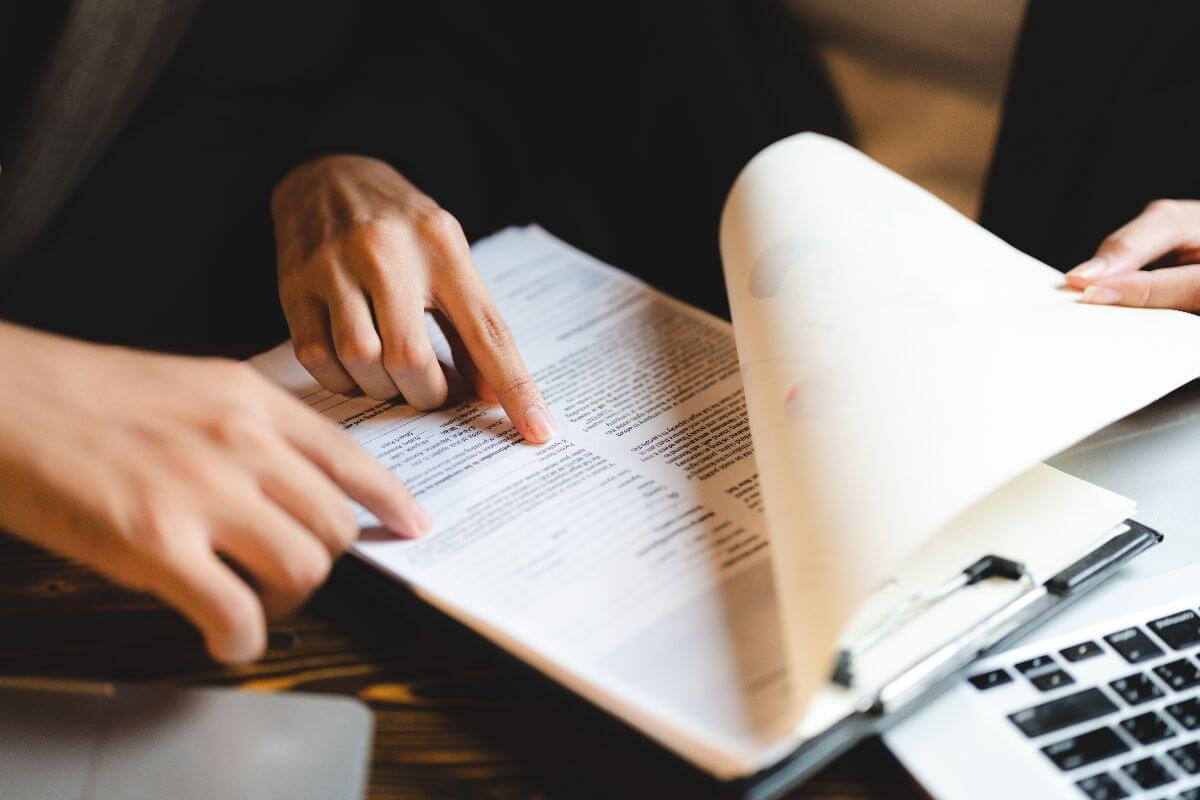
Cebu’s real estate market is thriving, which means opportunities are high, but so are risks if you don’t examine paperwork properly. Doing these checks can protect you from legal disputes, costly issues later on, and even losing money to fraudulent deals.
Verify the Title Authenticity
Check the Original Certificate of Title (OCT) or Transfer Certificate of Title (TCT) with the local Registry of Deeds in Cebu to confirm that it is genuine, updated, and free from encumbrances or claims. This verification ensures that the seller has clear ownership and that the property you’re buying is not involved in legal disputes or tied to loans.
Confirm Tax Compliance
Make sure that Real Property Taxes in Cebu are fully paid and updated. Ask for the latest tax declarations and official receipts, because if there are unpaid dues, penalties, or arrears, you may inherit these obligations once the property is transferred to your name.
Scrutinize the Seller’s Authority
Ask for proof that the person selling the property is legally authorized to do so, whether they are the registered owner or someone holding a notarized Special Power of Attorney (SPA). This protects you from scams and ensures you are transacting with the rightful party.
Check Zoning and Boundaries
Validate the zoning classification of the property through Cebu’s local government offices and align it with your intended use, whether residential, commercial, or mixed. Also, verify lot boundaries through approved subdivision plans and geodetic surveys to avoid future land conflicts and neighbor disputes.
Review Contracts Carefully
Read every detail of the contract before signing, including financial obligations, terms of transfer, responsibilities, and timeline commitments. It’s always best to consult a lawyer who understands Cebu property transactions to ensure you understand your rights and avoid clauses that could harm you later.
Physical and Practical Checks

Cebu’s property market is dynamic and fast-moving, so these checks are essential to protect you from potential problems that might affect your comfort, safety, and overall living experience as a future homeowner.
Conduct a Thorough Ocular Inspection
Personally visit the property to assess the actual condition of the house, from the roofing, walls, and tiles to the fixtures, plumbing, and electrical systems. In Cebu, where humidity and salty air can affect home materials, it is even more important to inspect these carefully. Check exterior areas such as walkways, fence, drainage, parking area, and outdoor paint to make sure the home is well-maintained both inside and out.
Verify Occupancy Status
Confirm if the property is currently occupied, still tenanted, or already fully vacated. This helps prevent issues like delayed turnovers or legal conflicts, especially if the unit still has tenants who may need to be legally notified before you can take possession.
Evaluate the Neighborhood
Observe the environment at different hours to see if it aligns with your lifestyle. Is it safe, peaceful, clean, and easy to access? In Cebu, choose a location with reliable transport routes, access to commercial zones, schools, hospitals, and everyday conveniences. Talk to neighbors, check for flood-prone streets, assess the traffic flow, and make sure the community supports your comfort, long-term plans, and well-being.
Financial and Closing Steps
Unlike buying from a reputable developer, where processes are streamlined and clear, here you are responsible for protecting your own interests and making sure everything is properly documented.
Arrange Financing
Securing your financing early is crucial, especially if you’re buying from a private seller. Many banks have stricter requirements for second-hand or privately sold homes in the province, so confirm with your bank that the property you’re planning to buy is eligible for financing.
Prepare your financial documents in advance, so once your offer is accepted, the payment schedule moves smoothly and without delays. Having your loan ready also gives you stronger leverage when negotiating price and terms with the seller.
Budget for Post-Closing Costs
When buying a house in Cebu, don’t just budget for the selling price; prepare for taxes, transfer fees, documentation expenses, and possible repairs. Pre-owned homes, especially older Cebu properties, may need repainting, structural updates, or interior improvements to match your preferred standards.
By setting aside funds specifically for post-closing expenses, you avoid financial stress once you move in and ensure you can immediately address urgent repairs if needed.
Engage Professionals
Invest in professional help when purchasing a home in Cebu, whether it’s a licensed broker, an accredited appraiser, or a real estate lawyer. They can verify if key documents are authentic, confirm that the title is clean, check updated property taxes, and ensure the sale follows proper legal procedures in Cebu. Their expertise helps you identify potential issues early, avoid legal risks, and make sure you’re paying the fair market value. This is your protection against costly errors.
Secure All Documents at Closing
Before releasing the final payment for your Cebu property, verify the physical copies of the Transfer Certificate of Title, latest real property tax receipts, tax declaration, and tax clearances. Everything must be up-to-date and properly signed.
Ensure you receive official receipts, deeds, and signed agreements. Proper documentation at closing ensures that your purchase is legally sealed, protects you from future disputes, and confirms that ownership is formally transferred to you.
Key Takeaway
In the end, knowing what to check before closing the deal on a Cebu house for sale empowers you to protect your investment, avoid legal complications, and secure a home that truly matches your long-term plans. Taking time to verify documents, confirm property legitimacy, understand your financing, and review the actual condition of the home will give you the confidence that your money is going to the right place.
At Pueblo de Oro, we are committed to helping Filipinos make smarter real estate decisions. If you want a seamless and secure home-buying journey from a trusted developer with master-planned communities across the Philippines, contact us today or visit our website to explore our available properties.