
 ESG Focus
 Seller’s
Portal
Seller’s
PortalDesigning Future-Proof Cities How Pueblo de Oro Builds for Long-Term Value
2026 May 27 | by Apple Barretto
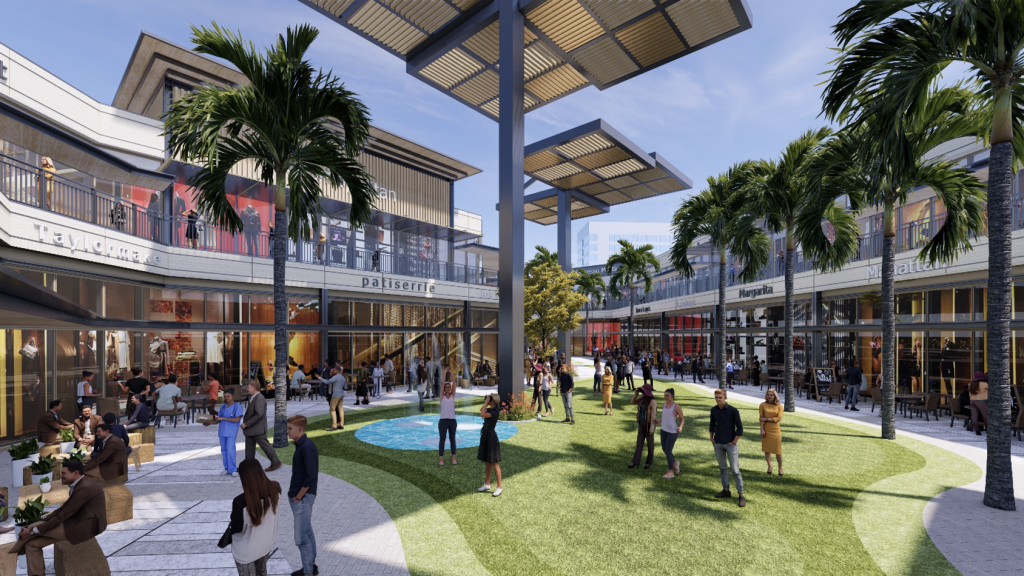
In the Philippines, homebuyers tend to approach property as a permanent decision rather than a transient one. This generational orientation shapes what a development must deliver: not just sound construction at launch, but a community capable of remaining functional and relevant as the household around it evolves—and that distinction is often what separates a township from a conventional subdivision over time.
Location as the Foundation of Long-Term Value
Among the factors that determine a property’s potential for long-term capital appreciation, location tends to be the most durable. Developments situated near employment centers, schools, transport corridors, and commercial services are generally better positioned to retain their relevance as surrounding areas change.

This helps explain the growing interest in regional economic hubs outside Metro Manila, where infrastructure spending and industrial decentralization are driving sustained demand.
At PDO Townscapes Malvar in Batangas, for example, educational, recreational, commercial, industrial park and residential components are thoughtfully woven into the 295-ha township creating a powerful live-work ecosystem. Residents gain access not only to homes and amenities but also to nearby employment and business opportunities. Families also benefit from nearby schools, fitness and wellness amenities, open spaces, and commercial establishments within the same community, reducing travel time while enhancing quality of life.
Urban planners generally consider this kind of mixed-use integration a contributor to sustained value retention, because the community functions as more than a residential enclave.
In Cagayan de Oro, PDO’s 400-hectare uptown township—recognized by CREBA as one of the developments of the decade in Mindanao—illustrates how phased planning can shape a community over time. Across three decades, the development has moved from primarily residential to a more mixed-use environment that supports a range of daily activities.
Infrastructure and Resilience
Infrastructure choices made at the planning stage tend to have consequences that extend well beyond launch. How a development manages water, grades its land, and positions its structures relative to flood risk shapes whether homes remain habitable and insurable through the kinds of weather events that the Philippines regularly experiences.
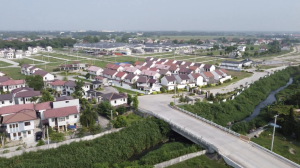
In PDO’s Pampanga developments, residential areas were elevated by an average of 1.5 to 2 meters. The measure was tested by typhoons Pedring (2011) and Lando (2015), both of which caused significant flooding in surrounding areas, and the elevated lots were largely spared.
In Cagayan de Oro, a 23,000-cubic-meter detention pond was incorporated into the development to manage runoff and reduce flood risk for lower-lying areas within the estate.
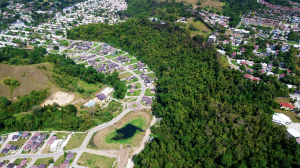
These design decisions reflect early investment in engineering that residents have not had to think much about since, which is generally the point.
Resource efficiency has also become a more tangible consideration for homeowners as utility costs have increased. The Pueblo de Oro Residences designs have received EDGE certification, with the buildings designed to use up to 20% less energy and 51% less water compared to conventional benchmarks.
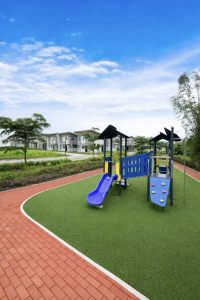
Over time, these efficiencies affect the cost of living in the home, which is a factor that many buyers have come to weigh alongside the purchase price.
Communities Designed for Every Stage of Life
Families grow, priorities shift, and the needs of a household with young children differ from those with working adults or aging parents. How a development holds up over time depends, too, on whether it continues to serve residents as their circumstances change.
Communities that can accommodate this range tend to retain residents more effectively than those designed around a single demographic or life stage.
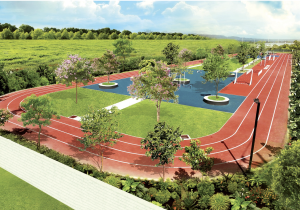
At Pueblo de Oro Townscapes Malvar in Batangas, Pomeroy Studio led the design. The township includes the FiT Park, which houses a large outdoor fitness facility along with an impact-reducing jogging track. Educational, recreational, and commercial components are distributed throughout the development, so that no single type of amenity defines what the community offers.
Built to Remain Relevant
Location, economic integration, quality infrastructure, and design for daily life all factor into long-term value. Resilience against physical risks is part of the picture, though analysts tend to treat it as one consideration among several rather than the defining one.
“Future-proof city design requires a long-term view,” said Prim Nolido, President and COO of Pueblo de Oro. “Strategic location, accessibility, and livability all contribute to the enduring value of a community. Resilience features work best as part of a broader plan for stable and sustainable growth.”
For communities in areas undergoing sustained economic growth, these considerations tend to compound over time. Developments that integrate location, infrastructure, and mixed-use programming from the outset are generally better positioned to remain functional and relevant as surrounding regions change—and to deliver on the long-term expectations that Philippine homebuyers bring to the decision.
Related Articles:
Context.PH | June 22, 2026
https://context.ph/2026/06/22/pueblo-de-oro-building-future-proof-townships-for-long-term-value/
Business Diary Ph | June 23, 2026
https://businessdiary.com.ph/58170/designing-future-proof-cities/
Manila Insight | June 25, 2026
https://manilainsight.com/life-style-section/designing-future-proof-cities/
Great Travel Philippines | June 29, 2026
https://greattravelmagazine.com/2026/06/29/designing-future-proof-cities-the-factors-that-shape-long-term-community-value/